Smooth flows, restored margins.
In distribution and logistics, every stockout, delay or data-entry error eats into your margin. Automating flows, unifying systems (WMS, TMS, ERP) and using AI forecasting turn a complex supply chain into an operational advantage.
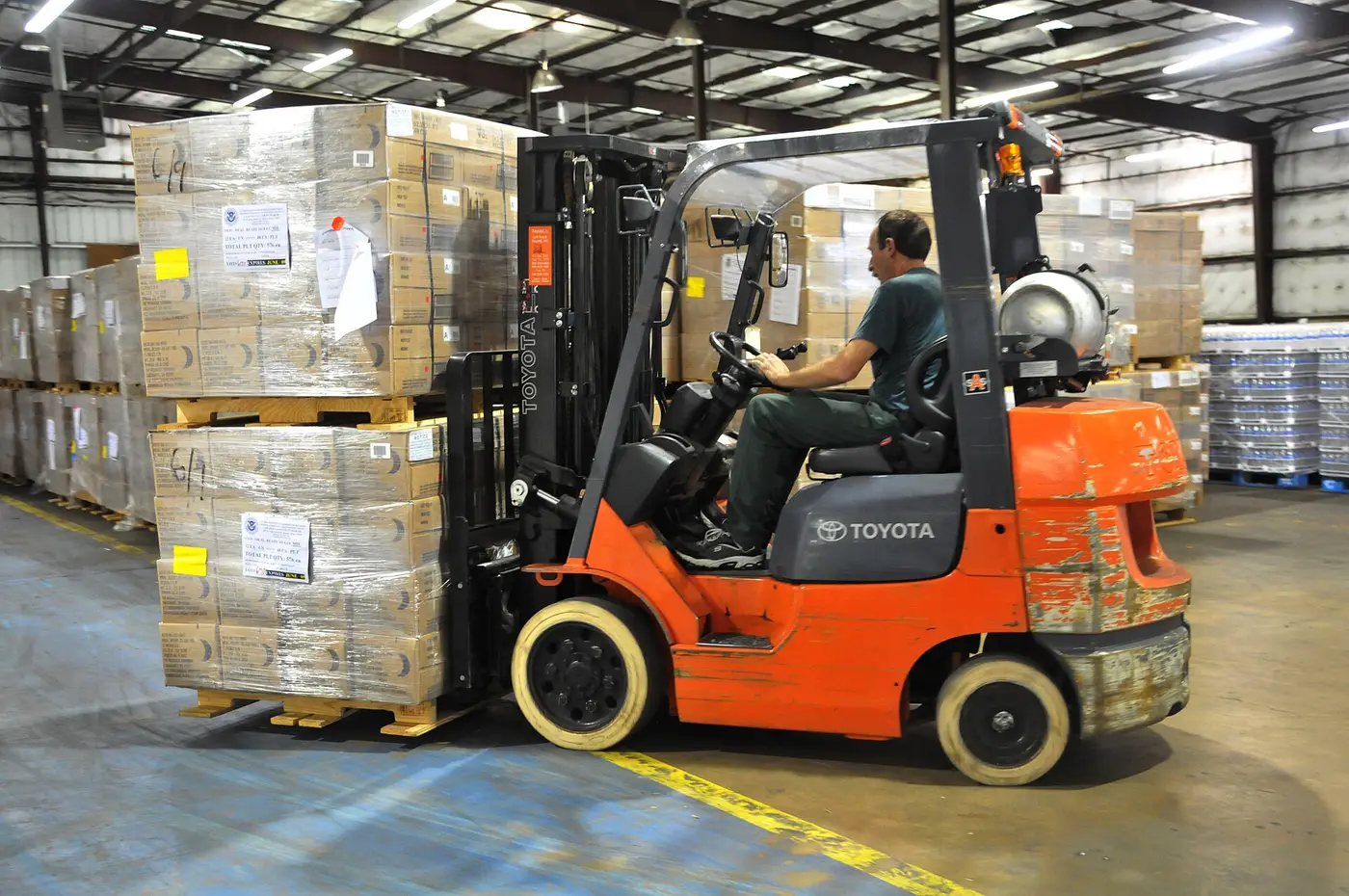
IT challenges in logistics
Disconnected systems
WMS, TMS, ERP and carriers that don’t communicate, causing errors and delays.
Manual data entry & paperwork
EDI, bookings, reconciliations: a huge amount of time spent on tasks that could be automated.
Rough forecasting
Stockouts and overstock for lack of reliable demand forecasting.
Lack of visibility
A supply chain that’s hard to manage in real time, from supplier to end customer.
Real-world use cases
WMS/TMS/ERP integration
Connect your systems for end-to-end visibility and zero re-keying.
Document automation
EDI, bookings and reconciliations automated through reliable workflows.
AI forecasting & optimization
Forecast demand, optimize delivery routes and reduce losses and delays.
Our solutions for logistics
Digital Supply Chain
Optimized B2B flows, traceability, WMS/TMS.
Learn moren8n Automation
Automated workflows, CRM-ERP integration, API orchestration.
Learn moreData & ERP
Data integration, ERP migration, dashboards.
Learn moreIT Performance Audit
A diagnostic of your IT systems, infrastructure, security and performance in 48 hours.
Learn moreAI Strategy & Agents
Autonomous AI agents, RAG, company-wide rollout.
Learn moreCybersecurity & Cloud
360° audits, Zero Trust, GDPR compliance, cloud migration.
Learn moreLogistics FAQs
How do I get better visibility across my supply chain?
Is AI useful in logistics?
Can we automate without changing tools?
Other industries I work with
Nathan Ibgui works with small and mid-sized companies across many industries. Every engagement is tailored to the challenges of the business.
Have an IT project in logistics?
Describe your needs in a few lines: I reply within 24 hours with an initial analysis and concrete recommendations.